Dwarkadhish Temple Dwarka Gujarat: Complete Guide to Jagat Mandir
The eternal abode of Lord Krishna in Dwarka, Gujarat. Jagat Mandir is the holiest Char Dham temple with over 2500 years of history.
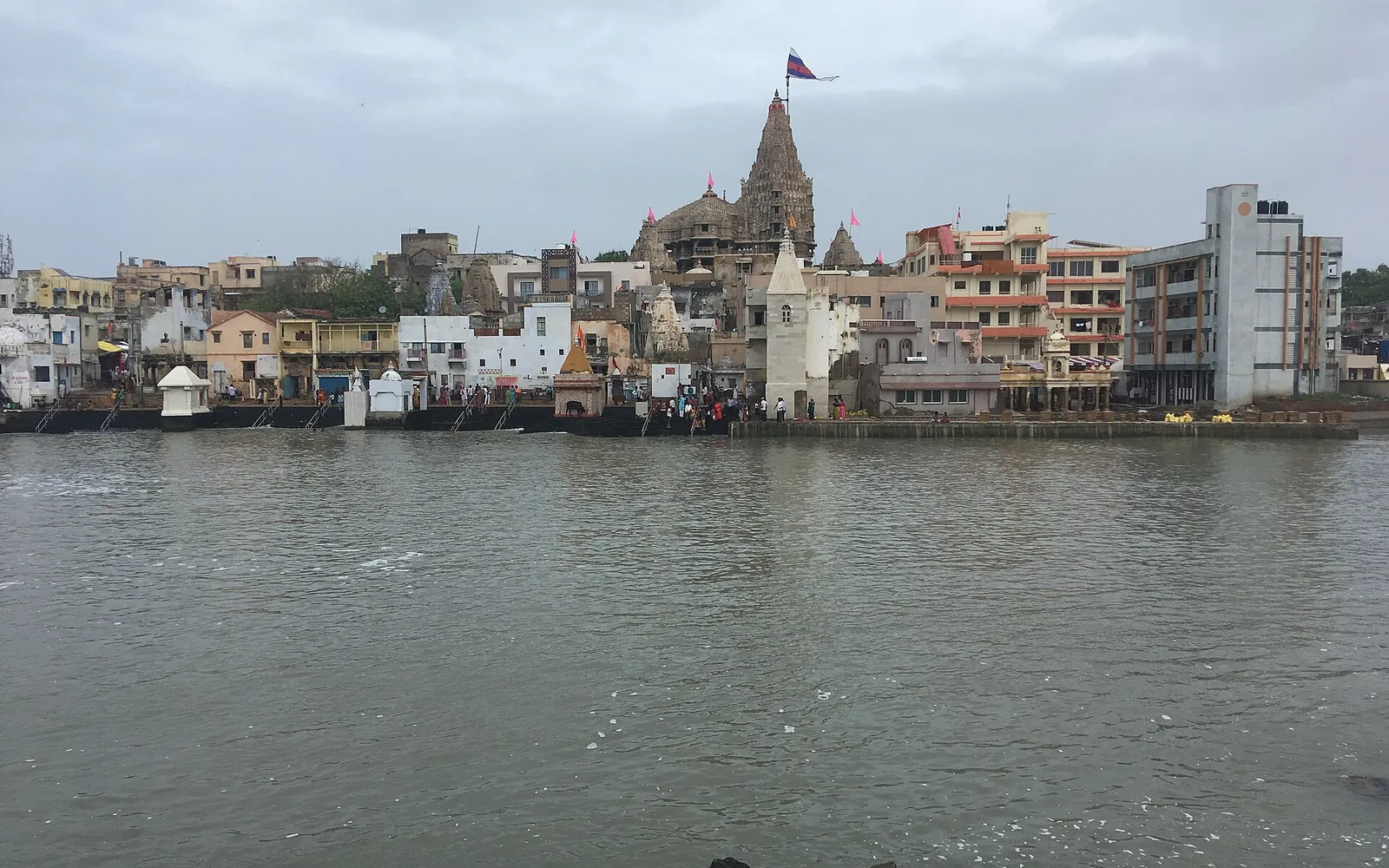
About Dwarkadhish Temple
Dwarkadhish Temple, revered across India as Jagat Mandir (the Temple of the World), is one of the holiest pilgrimage sites in Hinduism and one of the sacred Char Dhams that every devout Hindu aspires to visit during their lifetime. Located at the western tip of Gujarat in the ancient city of Dwarka, the temple is dedicated to Lord Krishna in his form as Dwarkadhish, the Lord and King of Dwarka. The presiding deity, a magnificent black stone idol of Lord Krishna, stands four-armed and majestic inside the sanctum sanctorum, drawing millions of devotees from across the country and around the world each year.
The city of Dwarka holds a special place in Hindu cosmology as one of the seven Moksha-giving cities (Saptapuri) and is closely associated with the life of Lord Krishna. According to the Mahabharata and the Bhagavata Purana, Lord Krishna established his kingdom here after migrating from Mathura, and Dwaraka became the Golden City, Dwaravati, a magnificent capital city ruled by Krishna as its king for many decades. The sacred Gomti River flows nearby, and the temple stands at the confluence of the Gomti and the vast Arabian Sea, a spot considered divinely blessed.
As one of the four Char Dhams along with Badrinath, Puri and Rameshwaram, Dwarkadhish Temple holds a place of supreme importance in the Hindu faith. The Char Dham pilgrimage circuit is traditionally completed in a clockwise direction starting from the east, with Dwarka representing the western Dham. This pilgrimage is believed to cleanse all sins accumulated over multiple lifetimes and to grant moksha (liberation) to the devotee.
"Dwarkadhish, the Lord of Dwarka, resides here in his eternal glory, blessing all who seek his darshan."
History of Jagat Mandir
The original Dwarkadhish Temple is believed to have been built by Vajranabha, Lord Krishna's great-grandson, over the site of Krishna's residential palace (Hari Griha) approximately 5000 years ago. This first structure was a relatively modest shrine, but it established the sacred site that would grow over centuries into one of India's greatest pilgrimage centres. The temple was later expanded and elevated to greater glory by Adi Shankaracharya, the great 8th-century Hindu philosopher and reformer, who visited Dwarka during his famous all-India pilgrimage and established one of his four Mathas (monasteries) here.
The current five-storey stone structure, which stands as one of Gujarat's most iconic architectural monuments, is dated to more than 2500 years ago based on historical and archaeological evidence. The temple has been renovated and expanded multiple times over the centuries, with significant contributions from Mughal-era rulers, Maratha leaders and the Gujarat state government. Despite multiple invasions and raids over the centuries, most notably by Mahmud Begada of the Gujarat Sultanate in the 15th century, the temple has always been restored and continues to stand as a symbol of unbroken devotion.
A remarkable archaeological dimension to Dwarka's history was added in the 1980s and 1990s when underwater explorations led by the National Institute of Ocean Technology (NIOT) and Marine Archaeology Centre discovered submerged city ruins off the Dwarka coast in the Gulf of Khambhat. These findings, including stone anchors, pottery and structural remnants dated to over 3500 years ago, are considered by many historians as confirmation of the Mahabharata's account of the fabled Dwaravati, the golden city that was submerged by the sea after Krishna's departure from the mortal world.
Architecture of Dwarkadhish Temple
Key architectural facts: Chalukya (Solanki) style • 72 carved pillars • 43-metre shikhara • 5 storeys (Panch Bhumi) • 60×50 ft sanctum • flag changed twice daily • 56 steps at the Swarga Dwar staircase
Dwarkadhish Temple is a magnificent example of the Chalukya (also known as Solanki) style of North Indian temple architecture, which flourished in Gujarat between the 10th and 14th centuries. The temple's most striking feature is its soaring 43-metre-tall shikhara (spire), which dominates the Dwarka skyline and is visible from kilometres away, especially from the sea approach. The shikhara rises in elegant tapering steps, adorned with intricate stone carvings depicting scenes from the Mahabharata, Ramayana and the life of Lord Krishna. The entire structure rests on 72 finely carved pillars, each decorated with detailed mythological reliefs that reward close inspection.
The temple complex is divided into five storeys, known as Panch Bhumi, connected by steep internal staircases. The ground floor houses the main sanctum sanctorum (garbhagriha) measuring approximately 60 by 50 feet, where the four-armed idol of Dwarkadhish stands under an elaborate silver canopy. The main Dwarkadhish idol is flanked by smaller idols of Devki, Balarama, Revati and Pradyumna. The inner sanctum is accessible through a series of silver-clad doorways, each more ornate than the last. Atop the 43-metre spire, a massive flag (Dhwaja) adorned with the symbols of the sun and the moon flies at all times and is ceremoniously changed twice every day, at 5:00 AM and at sunset. This ritual is known as Dhwaja Rohan and devotees can sponsor it as an act of devotion.
Darshan Timings & Aarti Schedule
- Mangala Aarti 6:00 AM: First aarti of the day, waking the Lord
- Shringar Aarti 7:00 AM: Decoration and adornment of the deity
- Gwal Aarti 8:30 AM: Morning offering before midday
- Rajbhog Aarti 12:00 PM: Grand midday aarti, after which temple closes
- Sandhya Aarti At sunset (approx. 6:00-7:30 PM, varies by season): Evening aarti (most popular for visitors)
- Shayan Aarti 9:00 PM: Final aarti of the day, the Lord is put to rest
| Session | Timings | Days | Entry |
|---|---|---|---|
| Morning Darshan | 6:00 AM to 1:00 PM | All Days | Free |
| Afternoon (Closed) | 1:00 PM to 5:00 PM | All Days | Closed |
| Evening Darshan | 5:00 PM to 9:00 PM | All Days | Free |
Dress Code & Important Rules
-
1
Traditional Attire Required
Men must wear dhoti or pyjama-kurta. Women should wear a saree or salwar-kameez. Western clothing including shorts, sleeveless tops and jeans is not permitted inside the temple premises. Shawls are available for rent near the entrance for visitors who are not suitably dressed.
-
2
Photography Strictly Prohibited
Photography and video recording are strictly prohibited inside the main sanctum and darshan queues. Cameras and mobile phones with cameras must be deposited at the cloak room provided at the temple entrance before entering the main hall.
-
3
Footwear to be Removed
All footwear must be removed outside the temple premises, well before entering the main gate. Shoe stands and cloakrooms are available at the temple entrance. The premises are kept clean but may be hot during the summer months, so devotees are advised to visit during early morning or evening.
-
4
Mobile Phones to be Switched Off
Mobile phones must be switched off or kept on silent mode inside the temple. Camera-enabled phones must be deposited at the entrance. This rule is strictly enforced by temple security staff.
-
5
Vegetarian Conduct Required
The entire city of Dwarka is considered a sacred pilgrimage zone. The temple and most of Dwarka strictly observe a no-non-vegetarian diet rule. Devotees are expected to abstain from consuming non-vegetarian food, alcohol and tobacco for the duration of their stay in Dwarka as a mark of respect for the holy city.
How to Reach Dwarkadhish Temple
By Train
Dwarka Railway Station is the nearest railhead, located about 1 kilometre from the temple. The station is well-connected with direct trains from Ahmedabad (approximately 7 hours), Mumbai (approximately 14 hours) and Rajkot (approximately 2.5 hours). The Saurashtra Express and Dwarka Express are popular options. Auto-rickshaws and taxis are readily available from the station to the temple.
By Road
Dwarka is well-connected by road via State Highways. From Jamnagar, the distance is approximately 137 kilometres and the journey takes about 2.5 hours. From Rajkot, the distance is approximately 215 kilometres (3.5 hours). Regular GSRTC (Gujarat State Road Transport Corporation) buses operate from Jamnagar, Rajkot, Ahmedabad and Porbandar. Private buses and shared taxis are also available from nearby cities.
By Air
The nearest airport to Dwarka is Jamnagar Airport (also known as Govardhanpur Airport), approximately 145 kilometres away, about a 2.5-hour drive. Rajkot Airport (Rajkot International Airport) is approximately 215 kilometres away. Both airports have regular flights from Mumbai and Ahmedabad. Taxis and private cabs are available from both airports to Dwarka and can be pre-booked online for convenience.
Major Festivals at Dwarkadhish Temple
Dwarkadhish Temple comes alive with great energy and colour during its major festivals, none more spectacular than Janmashtami, the celebration of Lord Krishna's birth. Held every year in August or September on the eighth day of the dark fortnight of Bhadrapada month, Janmashtami at Dwarka draws over five lakh devotees from across India and abroad. The temple remains open throughout the night, culminating in a midnight Abhishek (divine bathing) ceremony of the main Dwarkadhish idol amid the chanting of Vedic hymns, the blowing of conch shells and the distribution of divine prasadam. The entire city is illuminated with decorative lights, and cultural programmes including dance, music and Ramlila performances are held throughout the festival period. Accommodation must be booked many months in advance for Janmashtami.
Other important festivals at Dwarkadhish Temple include Holi, which is celebrated over five days with special rituals and the famous Phulendo Holi (Holi with flowers); Ekadashi, the auspicious eleventh day of each lunar fortnight, which brings large numbers of fasting devotees; Annakut on Govardhan Puja (the day after Diwali) when thousands of food items are offered to the deity and then distributed as prasadam; and Ram Navami in April. The temple also celebrates special events on Shravan Ekadashi, Patotsav (anniversary of the temple) and the auspicious days of Guru Purnima and Sharad Purnima.
Frequently Asked Questions
Also Explore Dwarka
Dwarka Temple Timings 2026
Complete opening hours for Dwarkadhish Temple, Nageshwar Jyotirlinga and Bet Dwarka. All 8 daily aartis and darshan schedules in one place.
Check TimingsBet Dwarka Island
Lord Krishna's personal residence on a sacred island off Okha. Ferry from Okha Ghat, 12 temples and a unique darshan experience distinct from the main mandir.
Read Full GuideGomti Ghat Sandhya Aarti
Evening aarti at the Gomti River confluence with the Arabian Sea. Floating diyas, conch shells and a sunset ritual that every Dwarka pilgrim should attend.
Read Full GuideNageshwar Jyotirlinga
One of the 12 sacred Jyotirlingas, 17 km from Dwarka. Underground sanctum, 25-metre Shiva statue and the most important Shiva shrine in the Dwarka circuit.
Read Full GuideMoksh Dwar & Swarg Dwar
The 56-step Swarg Dwar entrance and the Moksha Dwar exit, the meaning behind Dwarkadhish Temple's two named gates.
Read Full GuideShop Puja & Temple Accessories
Handpicked pooja items and temple accessories for your home mandir, delivered anywhere in India.
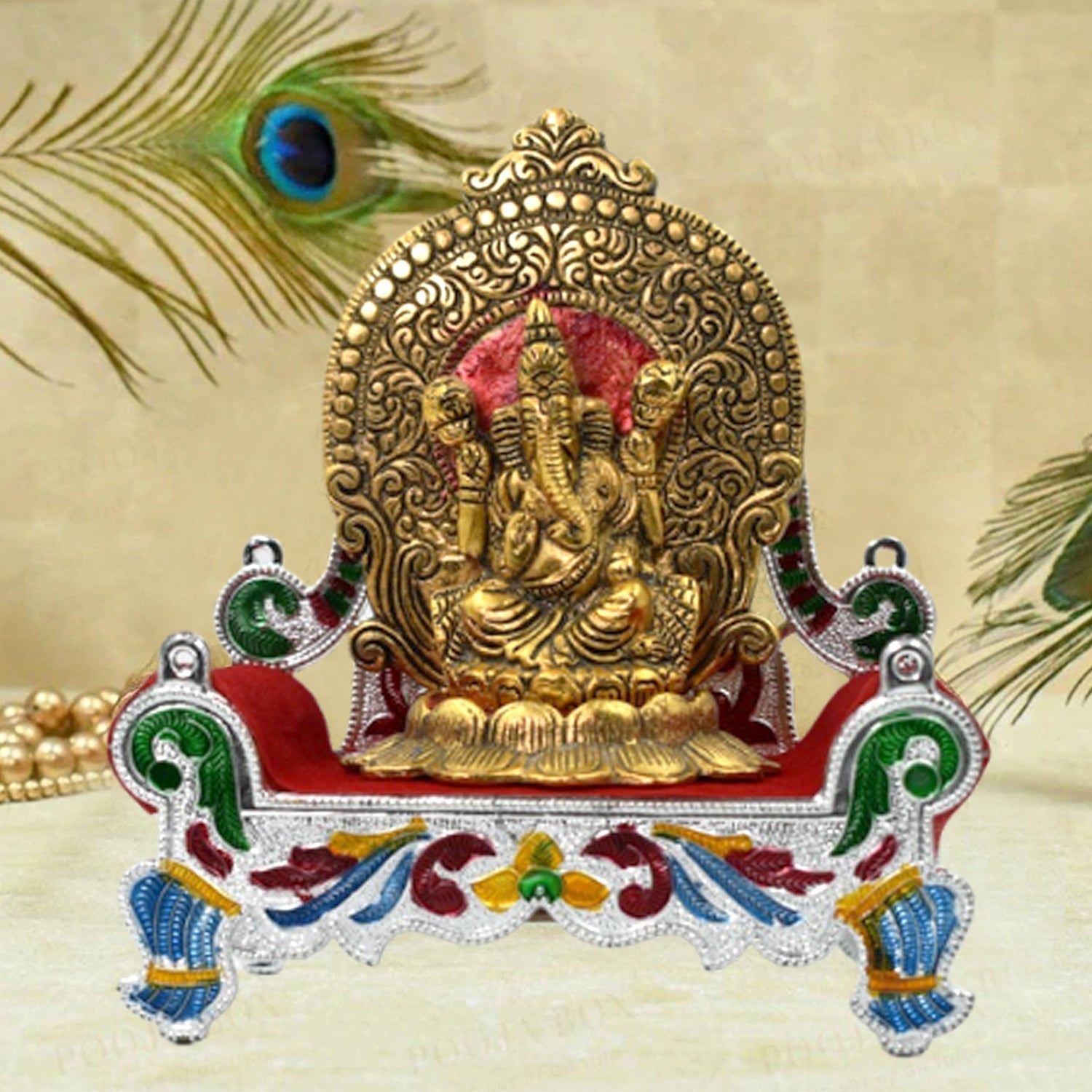
Bal Gopal Singhasan Deity Throne
₹205.00
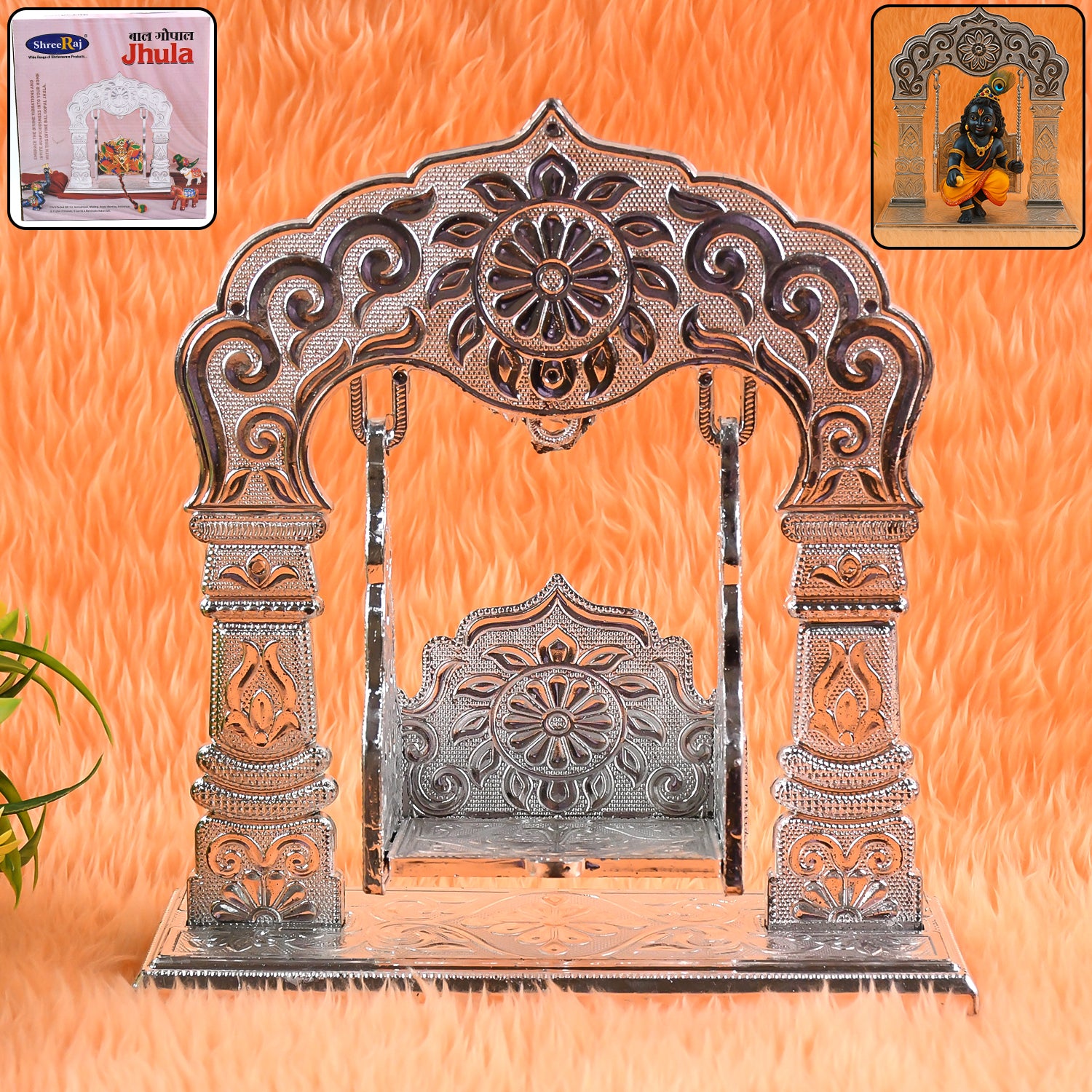
Bal Gopal Silver Jhula Swing
₹230.00

Digital Mantra Jaap Counter Ring
₹220.00
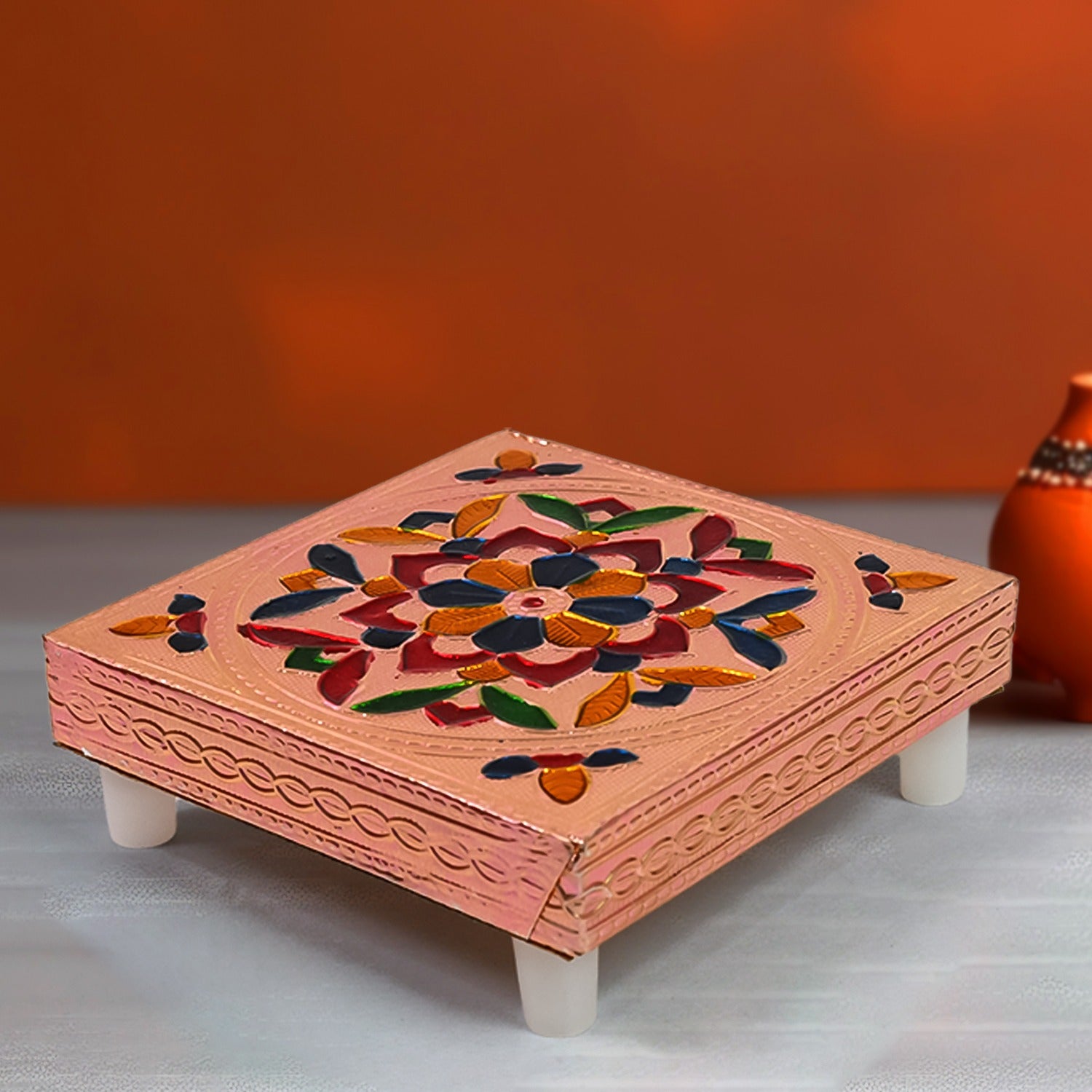
Meenakari Wooden Puja Chowki
₹159.00
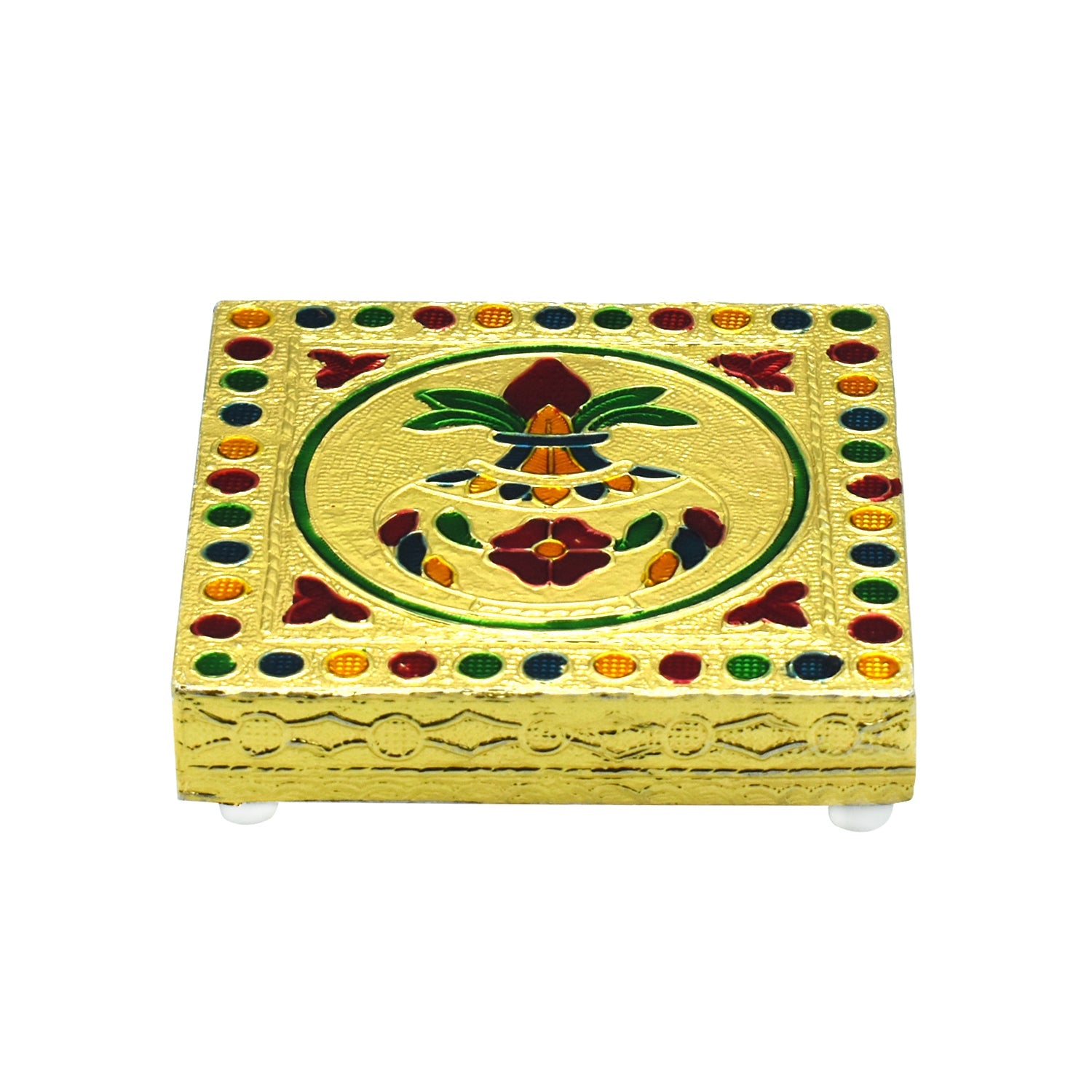
Wooden Designer Bajot Stool
₹159.00
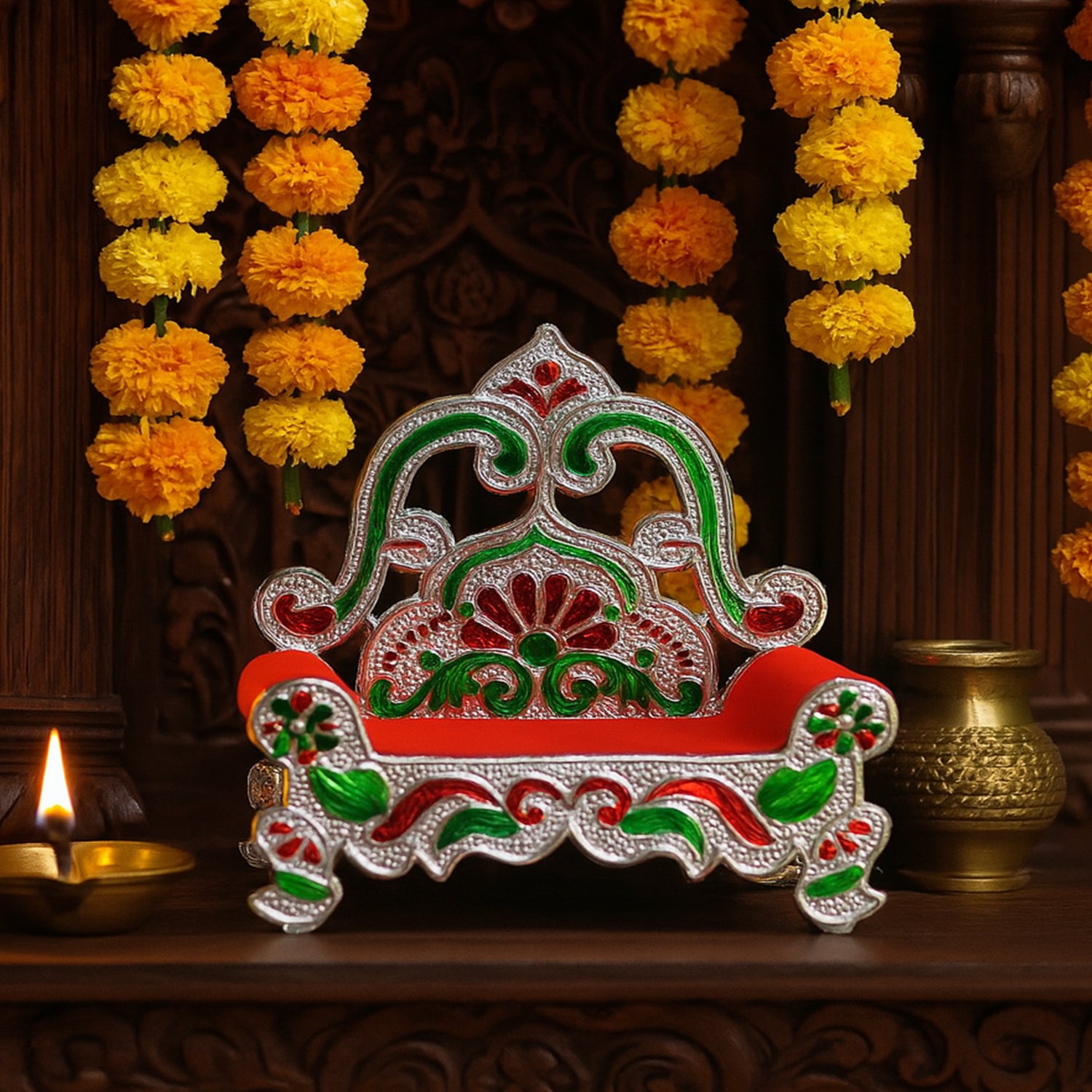
Small Decorative Singhasan for Idols
₹199.00
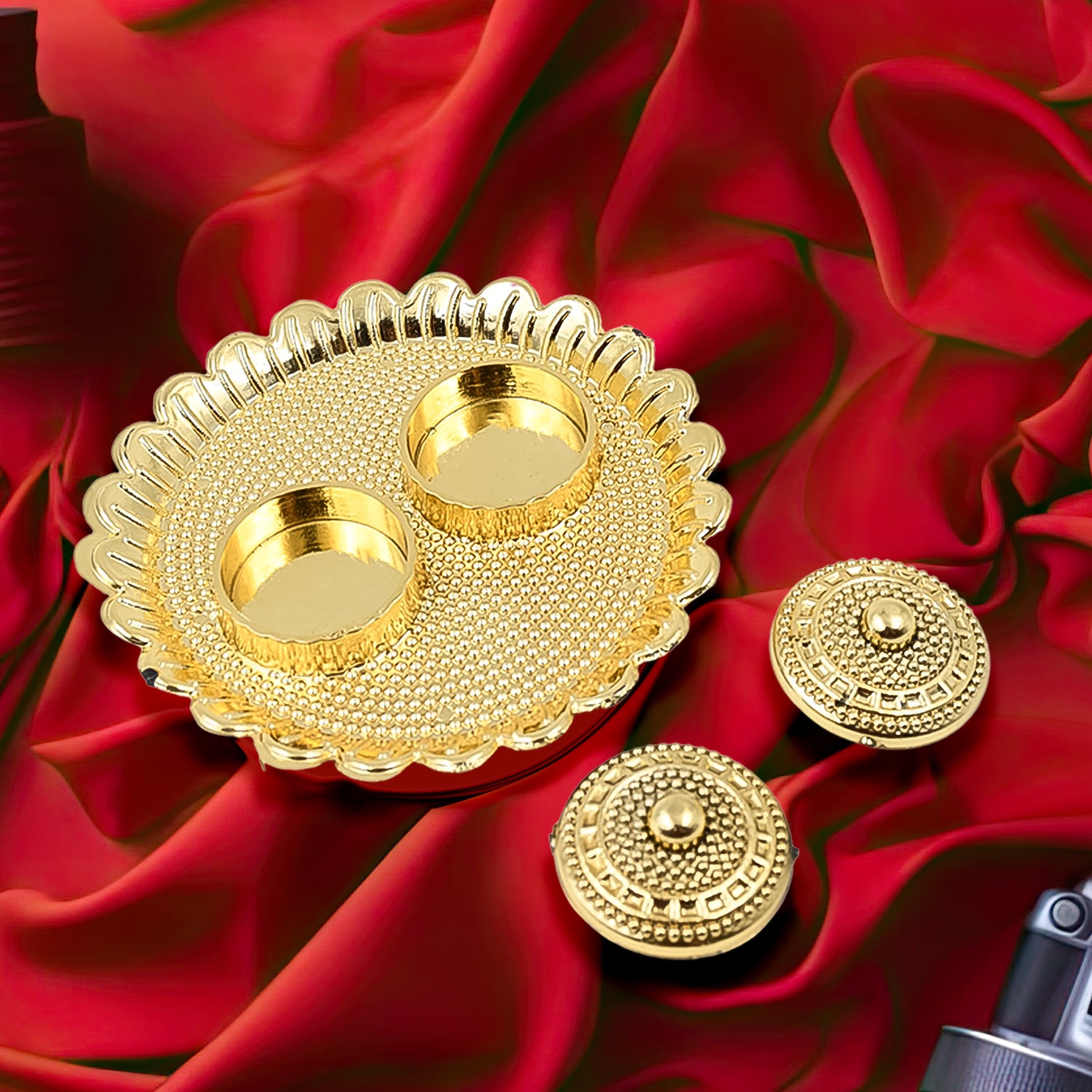
Round Puja Thali with Kumkum Holder
₹99.00
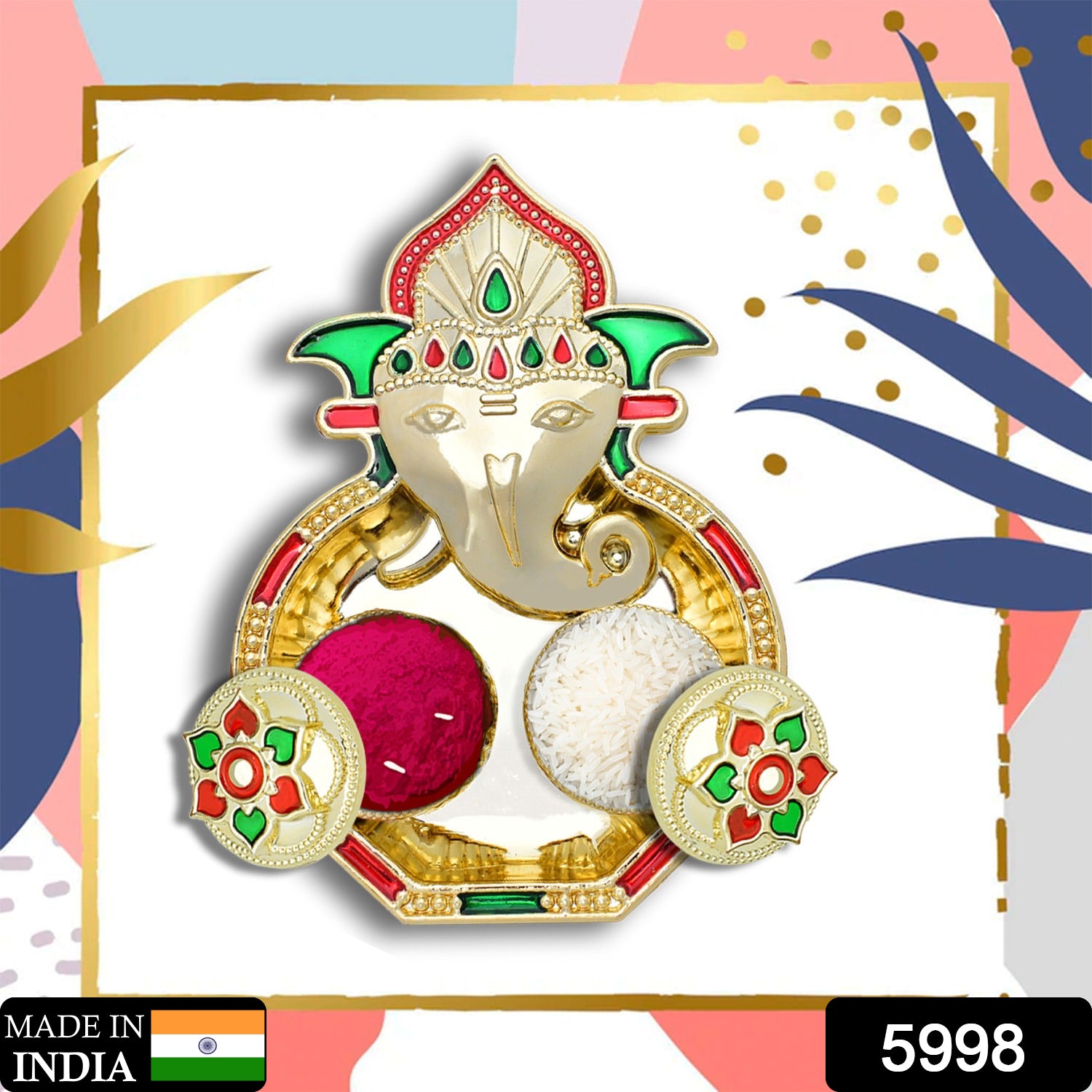
Puja Thali Return Gift Set
₹125.00