Dwarka Temple Trust Bhojnalaya: Where Every Pilgrim Eats Free
The Shree Dwarkadhish Devasthan Trust Bhojnalaya, located adjacent to the Dwarkadhish Temple complex, serves hundreds of pilgrims every day with simple, freshly cooked vegetarian meals, completely free of charge. Dal, sabzi, roti, and rice, served with devotion by temple volunteers. No booking, no payment, no conditions. Lord Dwarkadhish is the Lord of the Universe, and no one leaves His city hungry.
Useful References
What Is the Dwarkadhish Temple Trust Bhojnalaya?
The Dwarkadhish Temple Trust Bhojnalaya is a large pilgrim dining hall, a community kitchen and feeding centre, operated by the Shree Dwarkadhish Devasthan Trust, the official governing and management body of the Dwarkadhish Temple complex in Dwarka, Gujarat. It is located directly adjacent to the temple compound, making it easily accessible to pilgrims before or after darshan. The word bhojnalaya comes from the Sanskrit roots bhojana (food, nourishment) and alaya (abode, hall), meaning literally "a hall of food", which is precisely what it is: a place where food is the sole purpose and every arriving pilgrim is the guest of honour.
The bhojnalaya is one of the most visible expressions of the principle of anna dana, the gift of food, which is central to Vaishnavism and to the ethos of the Dwarkadhish temple. Anna dana is considered one of the highest forms of charity (daan) in Hinduism. Ancient texts categorise it above almost all other forms of giving, because food sustains life itself. At Dwarkadhish, the tradition of feeding pilgrims has been maintained continuously since the medieval era, and the bhojnalaya as it exists today is the modern, organised form of a practice that has never been interrupted across centuries of conquest, floods, and change. The institution is funded entirely by donations from devotees, from individual pilgrims who give what they can, to large-scale annual donors from across India and the world who sponsor meals for hundreds or thousands of pilgrims on special occasions such as Janmashtami, Ekadashi, or the anniversary of a family member's passing.
The scale of the operation is remarkable. On ordinary days, the bhojnalaya serves several hundred pilgrims per sitting, with multiple sittings across lunch and dinner service. On major festival days, particularly Janmashtami and Annakut, the number of pilgrims fed can run into the thousands. The kitchen operates with a combination of paid staff and voluntary sevaks (devotee volunteers) who consider the act of serving food in the temple's bhojnalaya a form of seva (sacred service) in itself. The kitchen is maintained to high cleanliness standards under the trust's oversight, and the food is always freshly cooked on the day of service.
"At Dwarkadhish, the tradition of anna dana has never been interrupted, every pilgrim who arrives at the bhojnalaya is considered a guest of Lord Dwarkadhish himself."
Bhojnalaya Timings
The Trust Bhojnalaya operates two meal sittings every day of the week, including all public holidays and festival days. Pilgrims should aim to arrive during service hours, not right at closing time, as the kitchen may run out of food towards the very end of a heavy-demand sitting. On major festival days, additional sittings may be added, check with the temple trust office for special timings during Janmashtami, Holi, or Annakut.
| Meal | Start Time | End Time | Days |
|---|---|---|---|
| Lunch | 11:30 AM | 2:30 PM | Monday – Sunday |
| Dinner | 7:00 PM | 9:30 PM | Monday – Sunday |
| Ekadashi (grain-free menu) | 11:30 AM | 2:30 PM | 11th lunar day (twice monthly) |
| Ekadashi Dinner (grain-free) | 7:00 PM | 9:30 PM | 11th lunar day (twice monthly) |
Note: Breakfast is not served at the bhojnalaya. For morning food, pilgrims can find chai and snacks near the temple bazaar from approximately 6:00 AM onward.
How the Bhojnalaya Works: The Seva Experience
Arriving at the Dwarkadhish Temple Trust Bhojnalaya requires no advance booking, no registration form, no identity document, and no payment. You simply walk in during the meal service hours, remove your footwear if required by the entrance customs of the facility, and take your place in the dining area. The system has been refined over generations to be maximally efficient and welcoming.
Inside, pilgrims sit together in long rows, traditionally on the floor on woven mats or jute sacks in the manner of the ancient gurukul langar (community kitchen) tradition, though the specific arrangement at the Dwarka Trust Bhojnalaya may include low benches in some sections depending on current infrastructure. This seated-in-rows system is both practical and symbolic: it removes all distinctions of caste, class, wealth, and geography. The professor from Mumbai and the daily-wage labourer from Rajasthan sit side by side, shoulder to shoulder, waiting for the same meal. This levelling quality of the langar/bhojnalaya tradition is deeply intentional in Vaishnavism, reflecting the teaching that all souls are equal before the Lord.
Once seated, volunteers called sevaks, often devotees who have offered their time as a form of worship, move along the rows carrying large stainless-steel vessels (patelas or deghchis) and serving food directly onto each pilgrim's plate. Refills are offered freely and without limit: if you want more dal or more sabzi or more roti, the sevak will serve you more. The culture of the bhojnalaya is one of abundance, no pilgrim is made to feel that they are asking for too much. The pace of serving is brisk but attentive; the sevaks are trained to watch for empty plates and to ensure no one is left waiting unnecessarily.
After finishing, pilgrims wash their own plates if using steel thalis (a water washing area is provided) or deposit their disposable leaf plates in the bins provided. The entire process from sitting to finishing to leaving typically takes 20–30 minutes, making the bhojnalaya very efficient even during peak festival times when thousands are eating in rapid succession.
- Registration None required, just arrive and sit
- Seating Rows on floor mats or low benches; all sit together
- Serving style Sevaks walk the rows with large vessels; refills on request
- Plates Leaf plates (pattals) or steel thalis provided; personal thali welcome
- Footwear Remove at the entrance as indicated
- Time needed 20–30 minutes from sitting to leaving
The Daily Menu: Simple, Filling, and Fresh
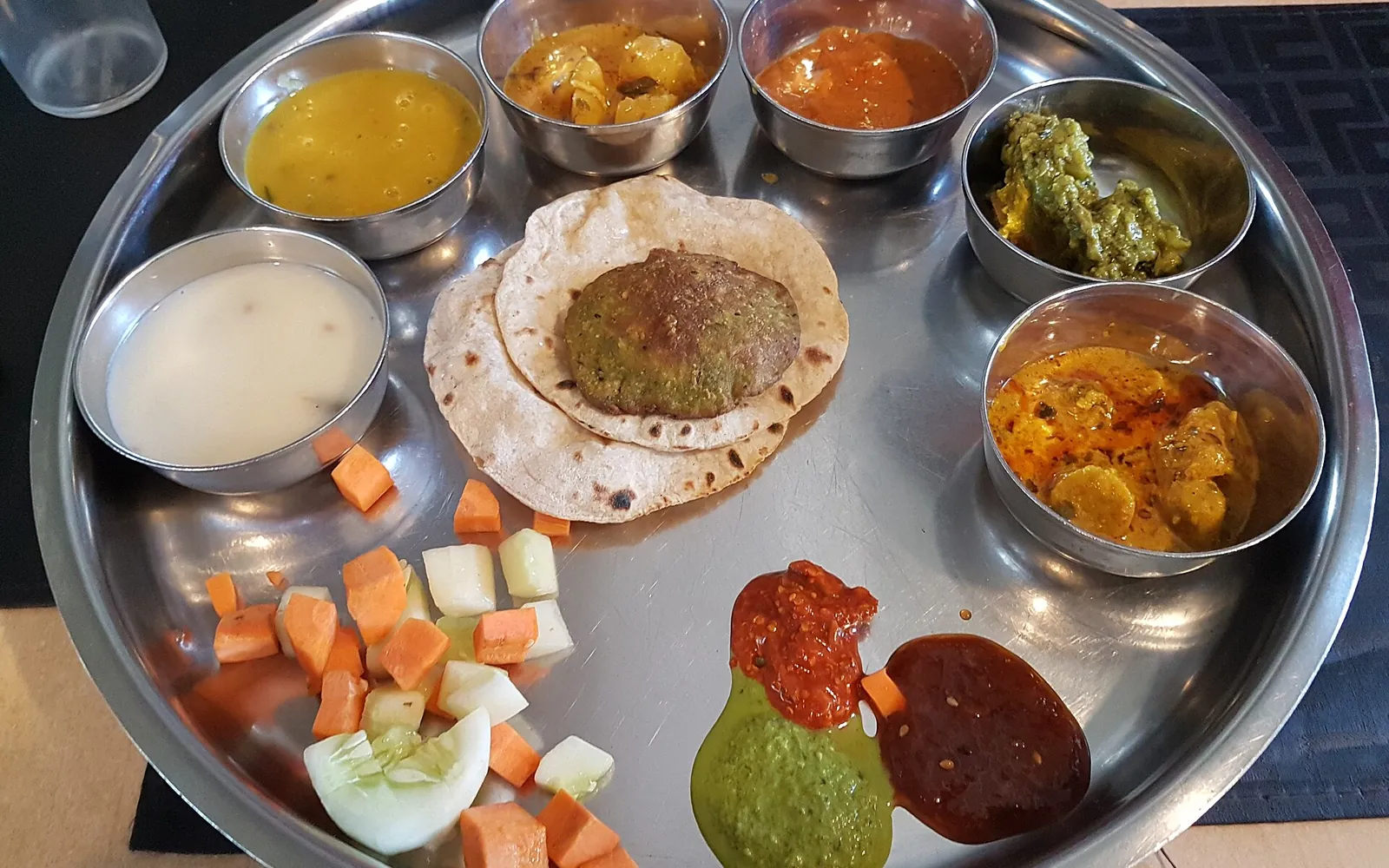
The bhojnalaya does not serve a restaurant menu with choices, it serves one unified meal, freshly prepared each sitting, using the best available seasonal ingredients. This is precisely the tradition of anna dana: the gift of food is offered in the spirit of the host's hospitality, not the guest's preference. And yet the meal is consistently described by pilgrims as deeply satisfying and, in a way that is difficult to articulate, different from food eaten elsewhere, cleaner, lighter, and nourishing in a way that feels aligned with the sacred atmosphere of Dwarka.
-
1
Dal (Lentil Soup)
The foundation of the bhojnalaya meal. Typically a simple toor dal (split pigeon pea) or moong dal seasoned with cumin, mustard seeds, turmeric, and dried red chilli. Thin enough to drink, or poured over rice. Warm, easy to digest, and deeply comforting after a morning of darshan and walking.
-
2
Sabzi (Vegetable Curry)
A seasonal vegetable preparation, which vegetables are used depends on what is available from local suppliers on a given day. Common sabzis include aloo (potato), gobi (cauliflower), tori (ridge gourd), lauki (bottle gourd), or mixed vegetables. The preparation is straightforward, a light curry base rather than a rich gravy, keeping the flavours clean and the food easily digestible.
-
3
Roti / Chapati (Wheat Flatbread)
Fresh whole-wheat flatbreads, made in large quantities in the bhojnalaya kitchen and served hot from the tawa. Refills are offered without limit. On some days, thick wheat bhakri may be served instead of, or alongside, thinner chapatis.
-
4
Rice
Plain steamed rice served alongside the dal and sabzi. Particularly popular with pilgrims who pour the dal over the rice in the traditional manner. Brown or white rice depending on availability.
-
5
Khichdi or Kadhi (Occasional)
On certain days the kitchen may serve khichdi, a one-pot preparation of rice and moong dal cooked together with mild spices, which is considered particularly sattvic and easy on the digestive system, or kadhi, a Gujarat-style soup of soured buttermilk and besan (chickpea flour) with a distinctive sweet-sour flavour. These items vary by day and season.
On Ekadashi (the 11th lunar day), grains, wheat and rice, are not served. The Ekadashi menu consists of sabudana (tapioca pearls), seasonal fruits, milk-based preparations, and dishes made with sendha namak (rock salt), in keeping with Vaishnava fasting tradition.
Anna Dana: The Ancient Tradition Behind the Bhojnalaya
To understand the Trust Bhojnalaya is to understand the principle of anna dana, which is not a welfare programme or a charitable initiative in the modern sense, it is a sacred obligation. Anna means food or grain in Sanskrit; dana means gift or donation. Anna dana, the gift of food to the hungry pilgrim or stranger, is described in the Mahabharata, the Manusmriti, and numerous Puranas as the highest form of worldly charity, because food sustains the life-force (prana) itself, and a gift of food given without expectation of return is therefore a gift of life.
At Dwarka specifically, the tradition of anna dana has roots stretching back to the ancient period. Dwarka was one of the most important pilgrimage cities of ancient India, and pilgrims who travelled on foot from distant regions, journeys that could take weeks or months, arrived exhausted, hungry, and often without resources. The temple and the rulers of Dwarka maintained feeding stations for these pilgrims as a matter of dharmic obligation. Ancient texts that describe the holy significance of Dwarka specifically mention that receiving food in the city of Lord Dwarkadhish, the Lord who is himself called the Anna-data, the giver of food, of the universe, carries exceptional spiritual merit both for the giver and the receiver.
In the Vaishnava theological framework that governs the Dwarkadhish temple, the Lord himself is considered the ultimate host and every pilgrim is his guest. This is not a metaphor but a doctrinal position: when a sevak serves food in the bhojnalaya, he or she is serving the Lord's guest on behalf of the Lord. The entire kitchen is thus considered sacred space, and the food prepared within it is technically prasad, an offering that has passed through the sacred energy of the Lord's home city and the love of His devotees. Eating in the bhojnalaya is not merely satisfying physical hunger; it is, in the Vaishnava understanding, a spiritual act.
The Shree Dwarkadhish Devasthan Trust maintains the bhojnalaya through a combination of a permanent kitchen staff, daily voluntary sevaks, and a robust donation mechanism. Major donors, wealthy families, business houses, and diaspora Indians from across the world, often sponsor entire days or multiple days of the bhojnalaya in memory of deceased relatives or in fulfilment of religious vows. This practice of sponsoring a bhojnalaya day is called "bhandara" or "anna seva" and is considered immensely meritorious. On sponsored days, the menu may be enhanced with additional items such as sweet kheer or halwa as a special offering.
Is It Really Free? Cost and Donations
Yes, the Dwarkadhish Temple Trust Bhojnalaya is genuinely, unconditionally free for all pilgrims. There is no entry ticket, no coupon to purchase, no minimum payment required. A voluntary donation of ₹20 per meal is suggested to help defray the kitchen's operating costs, and a donation box is typically placed near the exit where departing pilgrims who wish to contribute can do so. But this is entirely optional, and absolutely no pilgrim is turned away, pressured, or made to feel unwelcome if they cannot or do not donate.
The bhojnalaya's operating costs are covered through the temple trust's general donation corpus, which receives contributions from pilgrims and devotees worldwide. Many visitors to Dwarka make a point of contributing to the bhojnalaya fund either at the trust office or through the temple's official online donation portal. For those who are financially comfortable, contributing even a small amount toward the bhojnalaya is a widely observed way of participating in the anna dana tradition as a donor rather than merely as a recipient.
- Meal Cost Free, no payment required
- Suggested Donation ₹20 per meal (voluntary, at the exit)
- Sponsoring a Day Contact Shree Dwarkadhish Devasthan Trust office at the temple
- No Pilgrim Turned Away Unconditional, no conditions on eating
Trust Bhojnalaya vs ISKCON Prasadam: How They Compare
Dwarka is fortunate to have two excellent sources of free or very affordable prasadam: the Dwarkadhish Temple Trust Bhojnalaya and the ISKCON Dwarka temple's prasadam distribution. They are different in character and both worth experiencing during your stay. If you are choosing where to sleep, the trust dharamshalas near the temple sit within walking distance of both.
The Trust Bhojnalaya is the larger and more traditional of the two. It operates on the scale of a major institution, feeding hundreds of pilgrims per sitting in a setting that is functional rather than decorative. The food is honest, freshly cooked temple kitchen food, exactly the sort of meal that has been served to pilgrims at Dwarka for centuries. It may include ingredients such as onion in small quantities as part of the sabzi preparation depending on the day and the cook, which means it is not strictly "niramish" (completely free of pungent vegetables) in the ISKCON sense. This is not a concern for most pilgrims; it is simply a difference in culinary tradition between the broader Hindu temple kitchen and the specifically Gaudiya Vaishnava kitchen tradition observed by ISKCON.
ISKCON Dwarka's prasadam, served at the Govinda's restaurant on the ISKCON temple premises, is cooked strictly without onion or garlic following the Gaudiya Vaishnava standard. The food is refined, highly sattvic, and meticulously prepared as a devotional offering. The portions are somewhat smaller and the atmosphere more intimate than the bhojnalaya. It also operates on a slightly smaller scale, catering primarily to ISKCON devotees and visitors rather than the full range of pilgrims arriving at Dwarka. Prices at Govinda's are modest (or voluntary donation-based depending on the day).
For most pilgrims visiting Dwarka, the recommendation is to experience both: the Trust Bhojnalaya at least once for the profound communal experience of eating alongside hundreds of fellow pilgrims in the ancient anna dana tradition, and ISKCON's prasadam for its refined sattvic quality and contemplative atmosphere. They complement each other beautifully.
The Spiritual Experience of Eating at the Bhojnalaya
Pilgrims who have eaten at the Dwarkadhish Temple Trust Bhojnalaya consistently describe it as one of the unexpected highlights of their Dwarka visit, something they did not anticipate would move them as deeply as darshan itself. The reasons for this are not difficult to understand once experienced, but they are not easy to anticipate from a description alone.
Sitting in a large hall with hundreds of fellow pilgrims, people who have come from across India and the world, people of every age, background, region, and language, all eating the same simple food from the same plates, served by the same smiling sevaks, creates a rare sensation of undivided human community. In everyday life, meals are taken privately or in small social groups. The bhojnalaya dissolves those barriers. You are surrounded by the energy of collective pilgrimage, by people who have all chosen to make the effort and sacrifice of the journey to Dwarka, who are all, at this moment, guests of the Lord in His own city. The food tastes different in that context. It tastes like belonging.
Devotional music, bhajans, kirtans, or the distant sound of temple bells, frequently forms the acoustic backdrop to meals at the bhojnalaya. This is not accidental. In the Vaishnava tradition, all five senses engaged in a sacred act simultaneously accelerates spiritual experience: the taste of prasad, the sound of the Lord's names being sung, the fragrance of incense from the nearby temple, the sight of the sacred environs of Dwarka, all of these together constitute a form of multi-sensory darshan. Eating at the bhojnalaya, in this tradition, is not a break from the spiritual purpose of the pilgrimage. It is a continuation of it.
"Eating alongside hundreds of pilgrims in the bhojnalaya, with devotional music in the air and the temple towers visible just beyond, this is itself a form of darshan. Many pilgrims say the bhojnalaya meal stays with them long after the journey home."
Practical Tips for Visiting the Trust Bhojnalaya
- What to bring Nothing, just arrive. Plates and water are provided. Your own thali is welcome.
- Best time to arrive For lunch, aim for 11:45 AM–12:30 PM. For dinner, 7:15–8:00 PM. Avoid the last 20 minutes as food may run low.
- Festival days On Janmashtami and major festivals, queues form earlier. Arrive 30–45 minutes before opening.
- Ekadashi Grain-free menu. Sabudana, fruits, milk items, sendha namak dishes served. No roti or rice.
- Dress code Modest, respectful clothing appropriate for a temple compound. No sleeveless or shorts.
- Mobile phones Keep on silent. Photography inside the dining area should be discreet and respectful.
- Donation Donation box near the exit. ₹20 suggested. Online donation also possible via temple trust website.
- How to find it Adjacent to the Dwarkadhish Temple complex. Ask any temple volunteer, it is extremely well known.
Frequently Asked Questions
Also Explore
Dwarkadhish Temple
Complete guide to Jagat Mandir, timings, darshan, history, and puja details.
Read Full GuideDwarka Food Guide
Pure veg restaurants, Gujarati thali, prasad, and street food for pilgrims.
Explore Food GuideISKCON Temple Dwarka
Hare Krishna temple guide, aarti timings, Govinda's prasadam, and how to visit.
ISKCON GuideShop Puja & Temple Accessories
Handpicked pooja items and temple accessories for your home mandir, delivered anywhere in India.
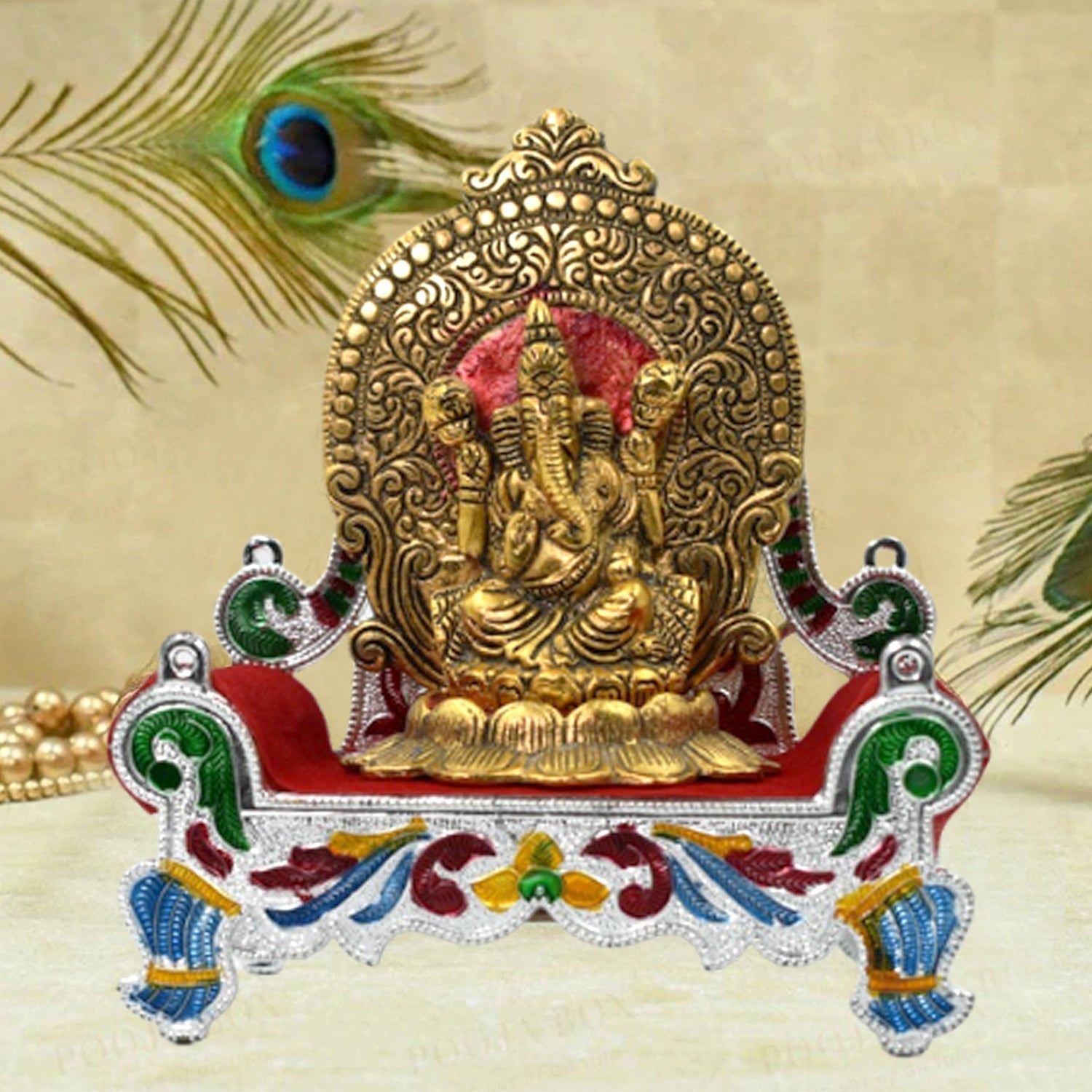
Bal Gopal Singhasan Deity Throne
₹205.00
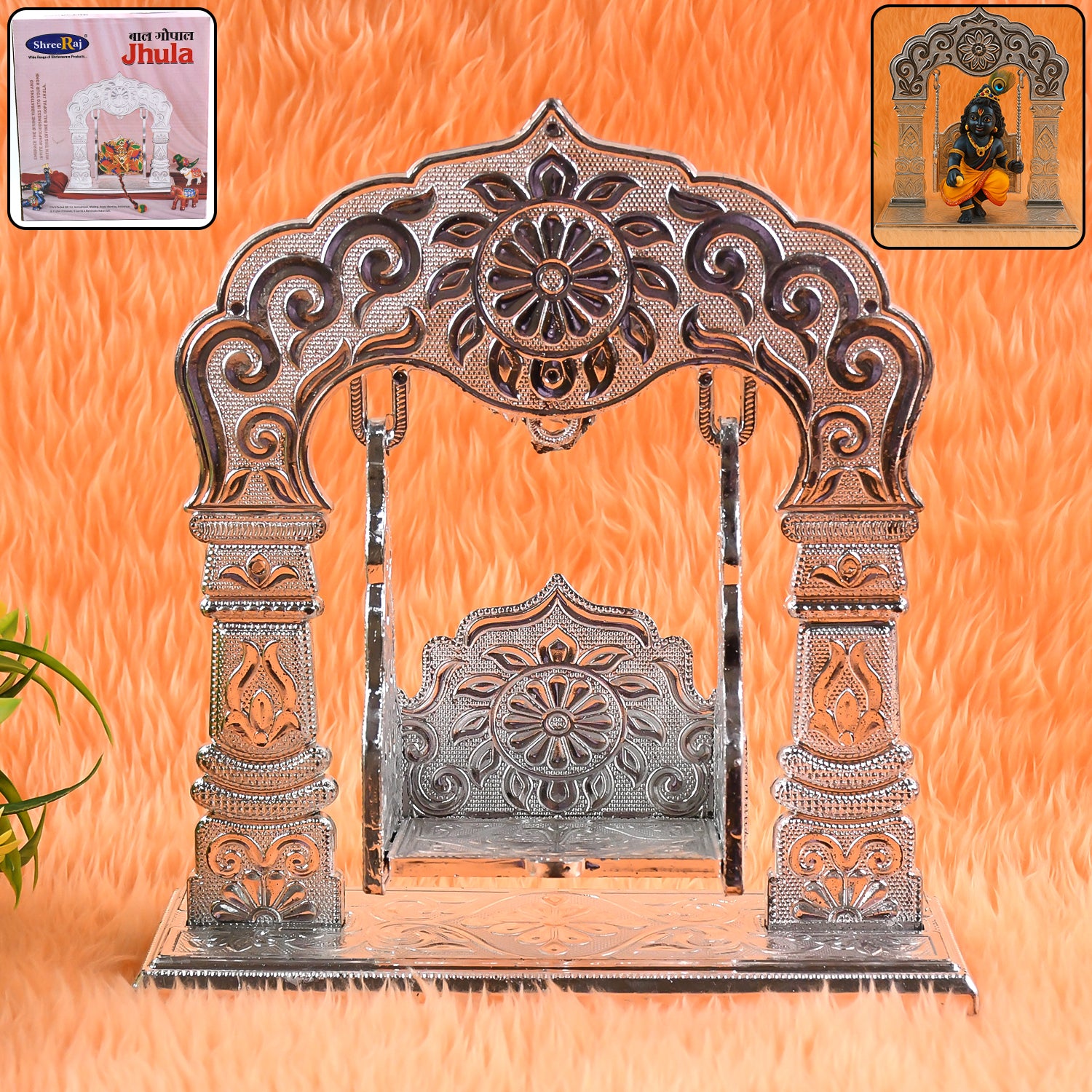
Bal Gopal Silver Jhula Swing
₹230.00

Digital Mantra Jaap Counter Ring
₹220.00
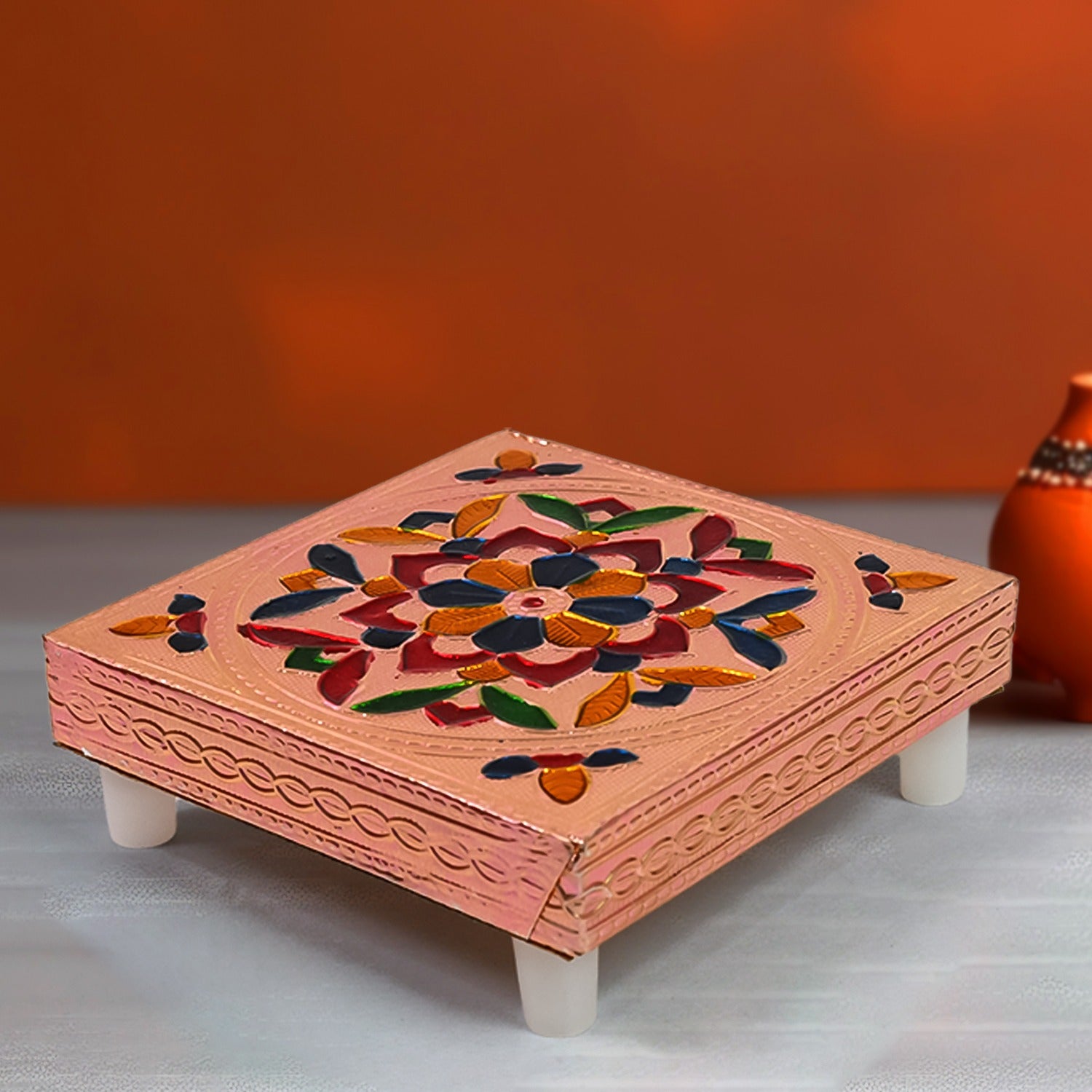
Meenakari Wooden Puja Chowki
₹159.00
Wooden Designer Bajot Stool
₹159.00
Small Decorative Singhasan for Idols
₹199.00

Round Puja Thali with Kumkum Holder
₹99.00
Puja Thali Return Gift Set
₹125.00